The best plans to discover Castile la Mancha
5-day medieval route through Toledo, Ávila, Salamanca and Segovia
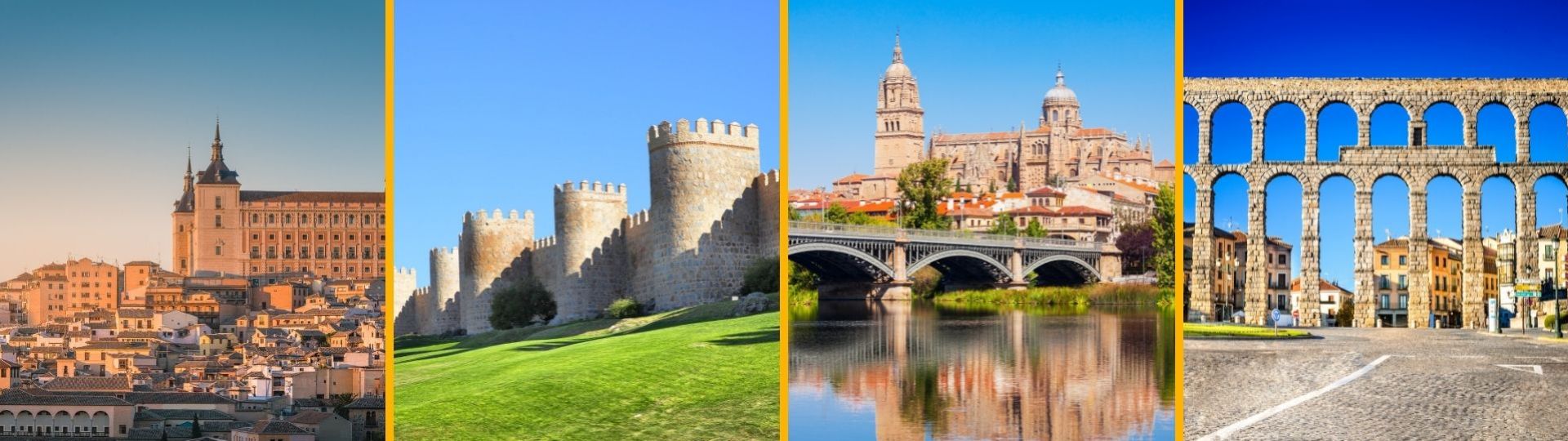
From Nativics we have prepared this medieval route by car for 5 days through the cities of Toledo, Ávila, Salamanca and Segovia. All of them were declared World Heritage Sites
4 nights€85per person
Getaway to Toledo with tickets to Puy du Fou
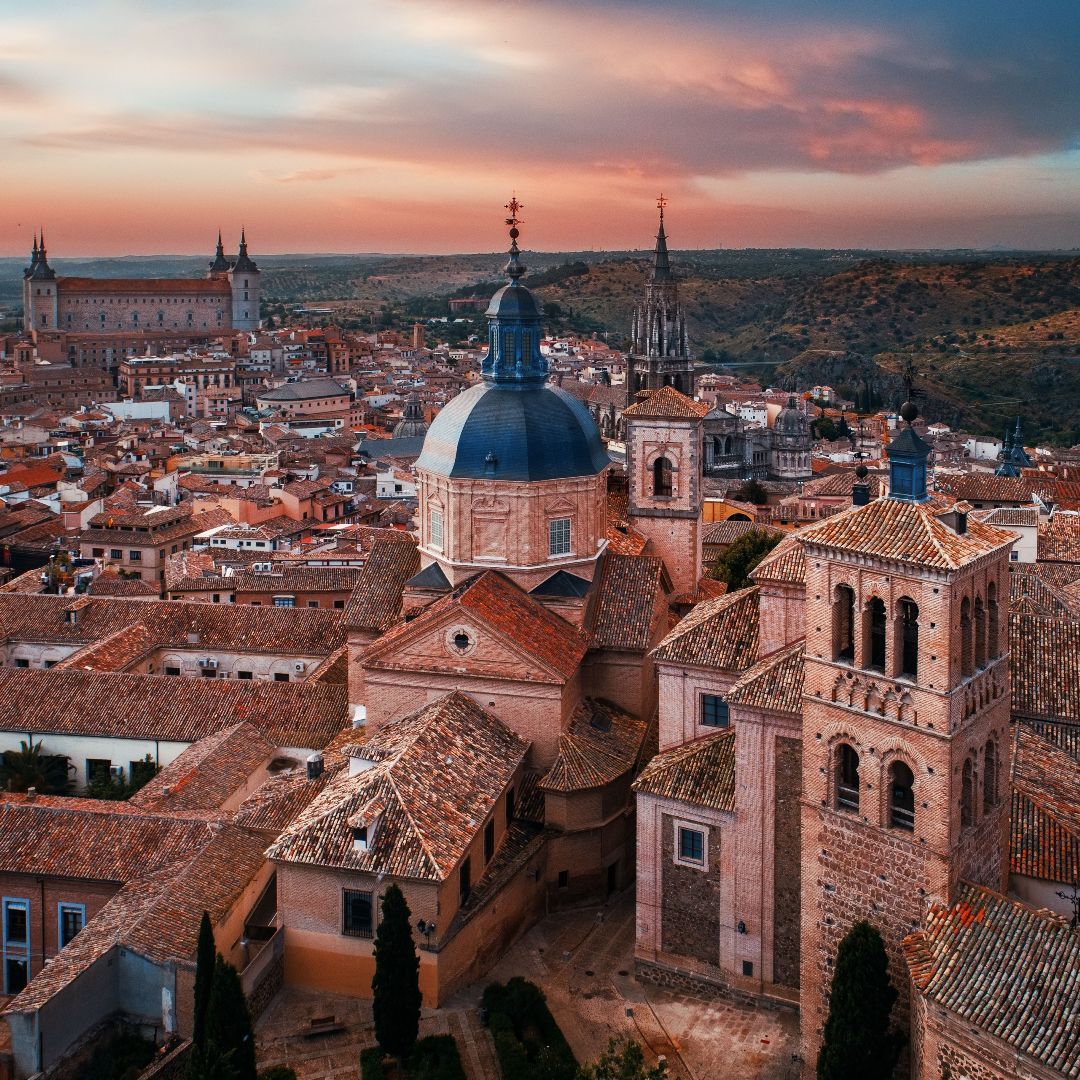
Toledo is a medieval city, a World Heritage Site, full of history. Being a destination with so much to tell, it is not surprising that Toledo is home to the
1 night
Hotels in Toledo
3 nights
What to see in Castile la Mancha?
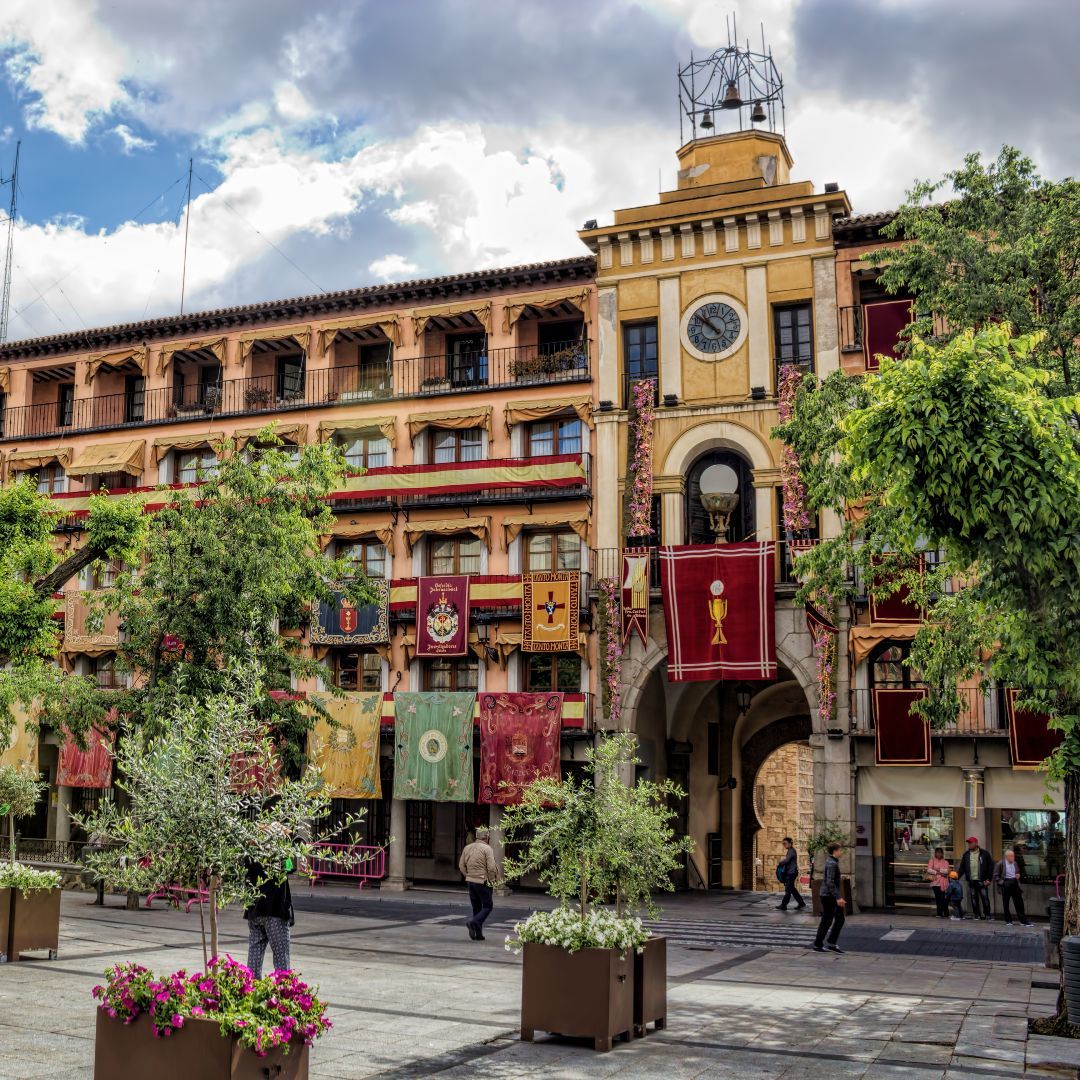
Zocodover Square
Toledo's main square and nerve center of the city was formerly a souk where cattle were sold. Hence its name which means "beast market" in Arabic. This almost triangular square has hardly changed its layout since the Middle Ages and has access to the most representative monuments of the city.
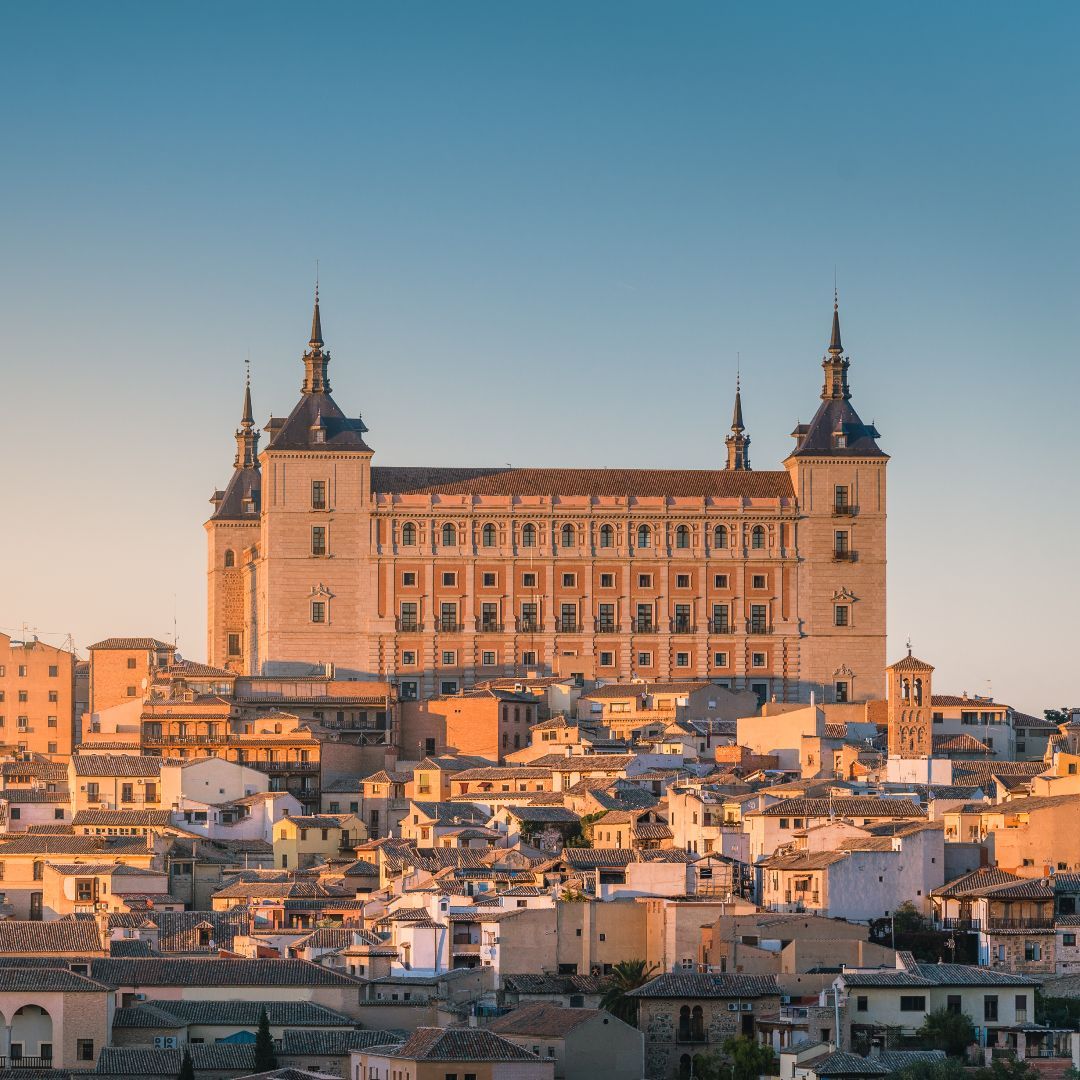
Alcazar of Toledo
Historical and representative monument of the city of Toledo. It is located in the highest area of the city and was originally built as a fortress. Its origins date back to Roman times, although many reconstructions have subsequently been carried out that have almost completely changed the monument. The Alcázar of Toledo has always been the target of wars and battles, which is why it has suffered fires, sieges and destruction as a result. Wars such as the War of Independence, the Succession or the Civil War destroyed a large part of the fortress, the last reconstruction of the monument was completed in the 1950s. Currently, this building houses the Army Museum and the Regional Library of Castilla-La Mancha.
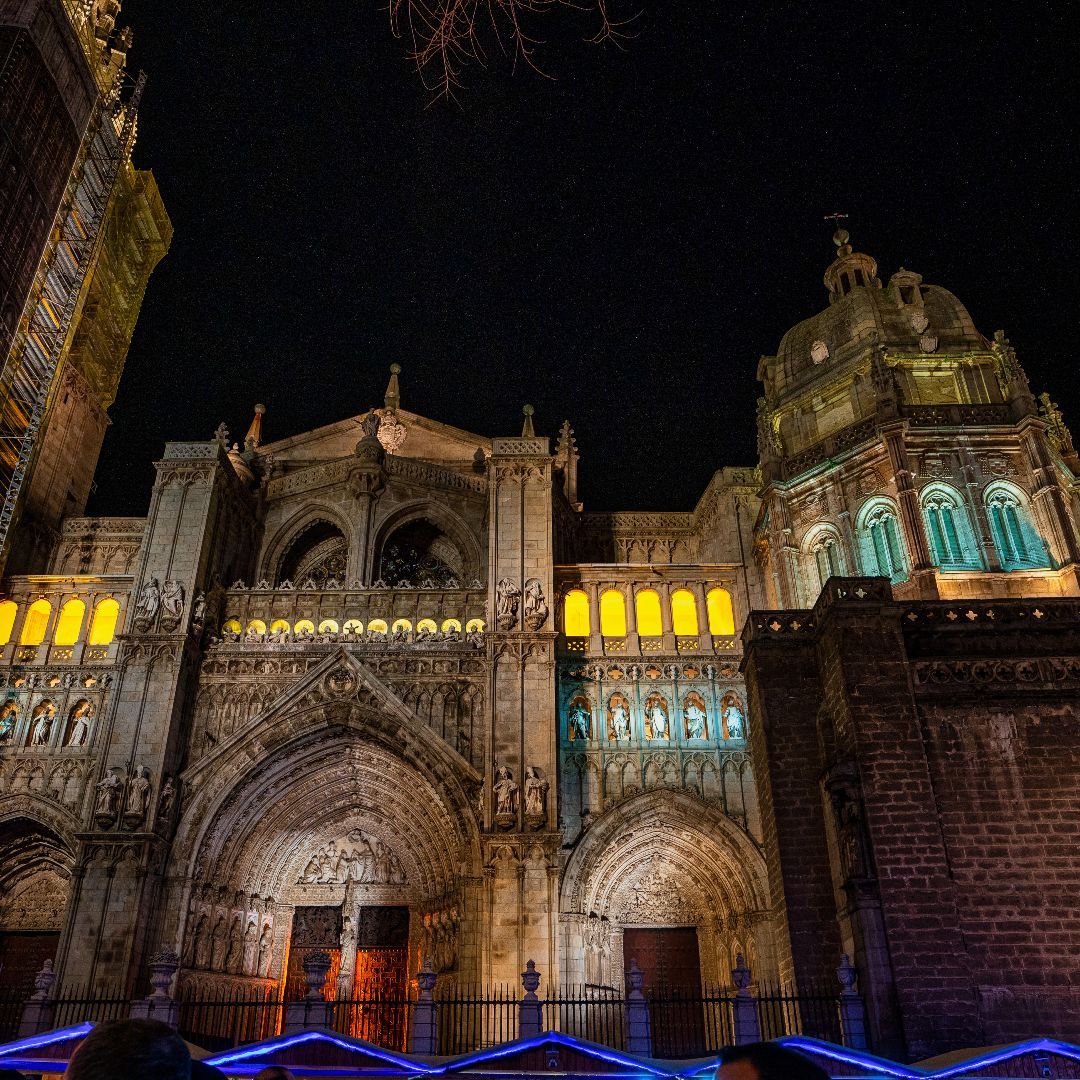
Primate Cathedral of Toledo
The Primate Cathedral of Toledo is a large Gothic-style cathedral with French influence. Its construction began in 1226 on the foundations of the Visigothic cathedral from the 6th century, which was also used as a mosque. Its exterior is noted for its three magnificent facades: the main facade, the Puerta del Reloj and the Puerta de Los Leones. Inside the cathedral is the Main Sacristy, the famous painting "El Expolio" by El Greco, a famous Spanish painter who lived in Toledo. Its bell, known as "La Gorda" is the largest in Spain weighing in at 18 tons.
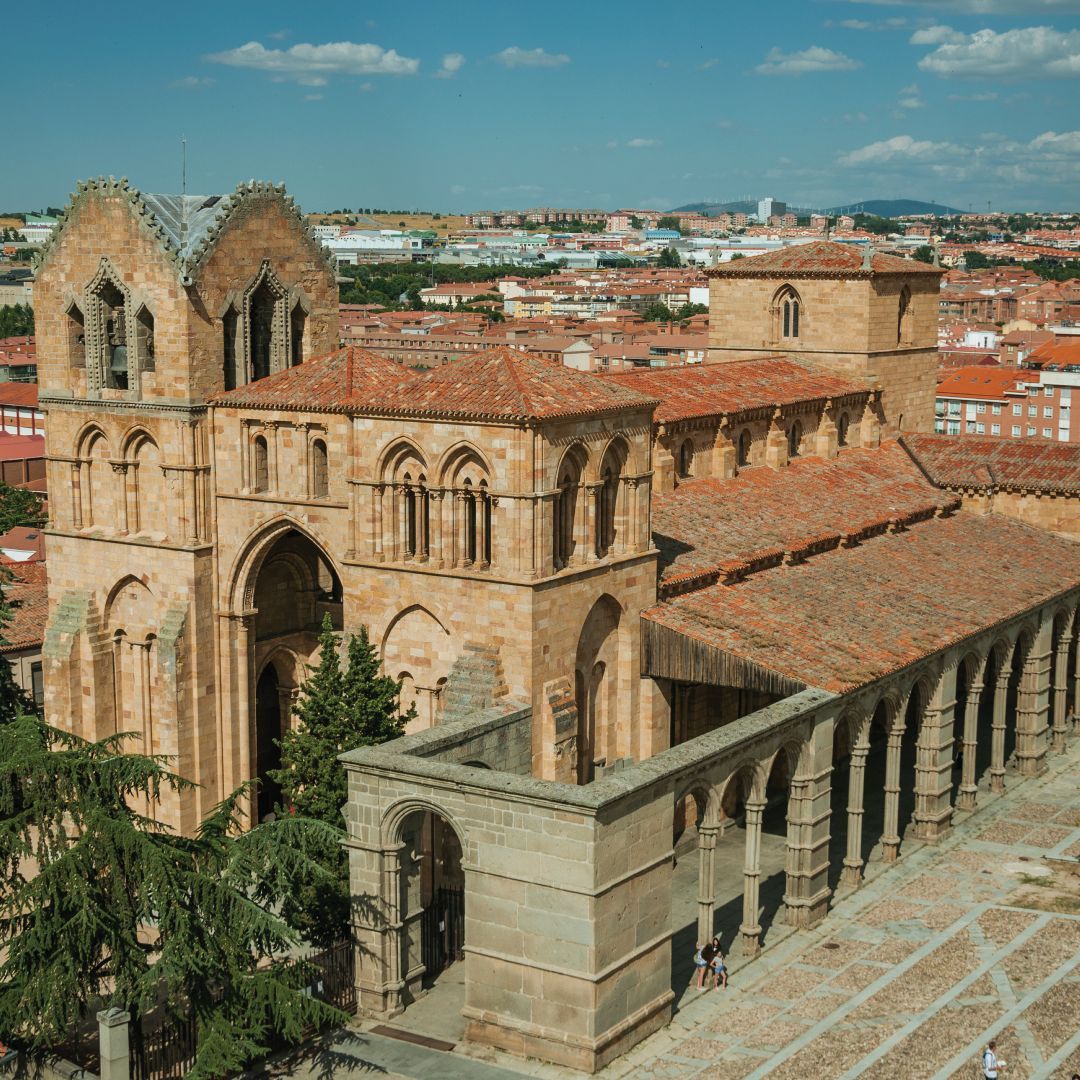
Church of Santo Tomé, Toledo
This Church in Toledo is home to the famous painting "The Burial of the Count of Orgaz", by El Greco, a Spanish painter who lived in the city. The construction of this parish is believed to have been started in 1085, by Alfonso VI. It was almost completely rebuilt in the 14th century by Count Orgaz and major modifications were carried out in the 16th and 17th centuries, but it still retains elements of Mudejar art, such as its characteristic tower, and inside there are five chapels and several sculptures.
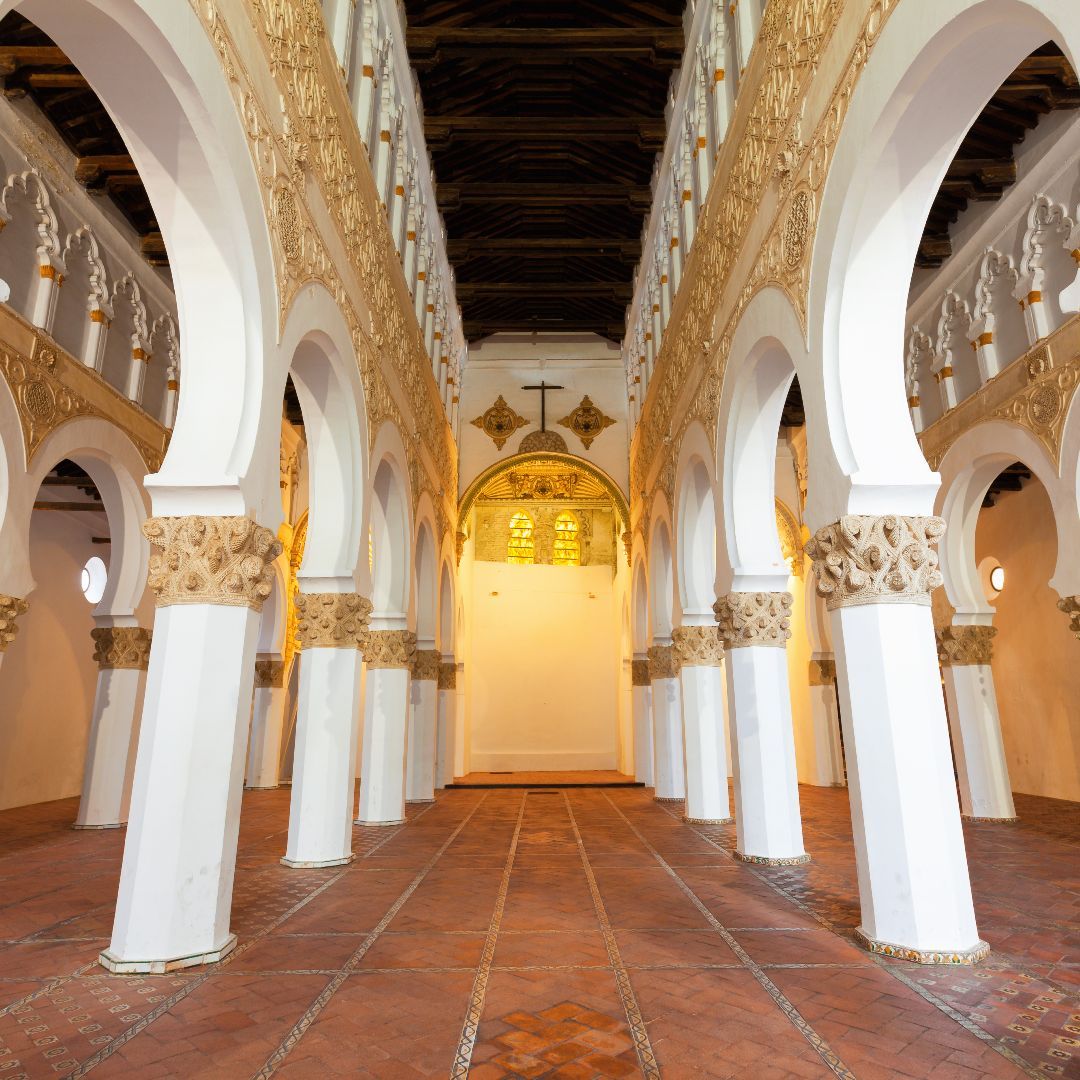
Santa María la Blanca, synagogue of Toledo
Santa María la Blanca is an old synagogue converted into a church that preserves the Mudejar architecture of the time of construction. Its arches and white walls make it a temple of great beauty. It is striking for its columns decorated with capitals full of ribbons, scrolls and pine cones. These pine cones symbolize the unity of the people of Israel. The geometric figures and vegetal elements found in this building are recurring themes in Jewish iconography along with the Star of David, located in the central nave of this ancient synagogue.
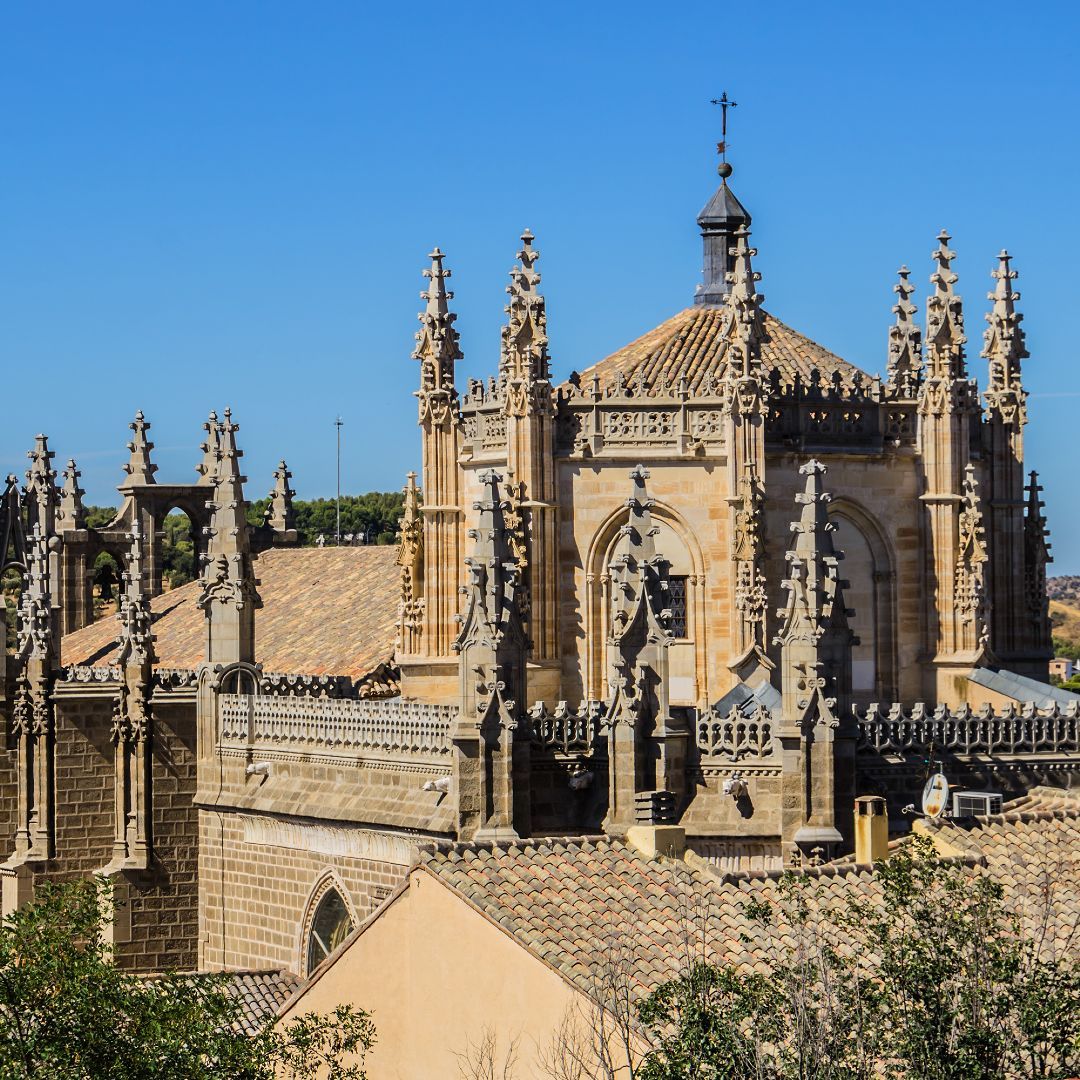
San Juan de los Reyes Monastery
The Monastery of San Juan de Los Reyes is the work of the architect Juan Guas, who built it in 1476 by order of Isabella I of Castile in honor of the birth of her son Juan and to be the family mausoleum. Although in the end, it was not, since the remains of the Catholic Monarchs rest in the Royal Chapel of the Cathedral of Granada, it was such a purpose that it is one of the most beautiful Elizabethan Gothic buildings in Spain. The church has only one nave that stands out for the decoration of its transept vaults and the main chapel. The cloister, the work of Enrique Egas, is a masterpiece for its Mudejar style surrounded by arches and friezes with plant and animal decorations. Of course, the emblems and coats of arms of the houses of Isabel and Fernando are other decorative elements of this monastery. Its main façade is striking for the statues that decorate it, something typical of the Elizabethan style, and for the chains hanging on it. It seems that these chains belonged to the Christians liberated by Ferdinand the Catholic in Malaga and Baeza.
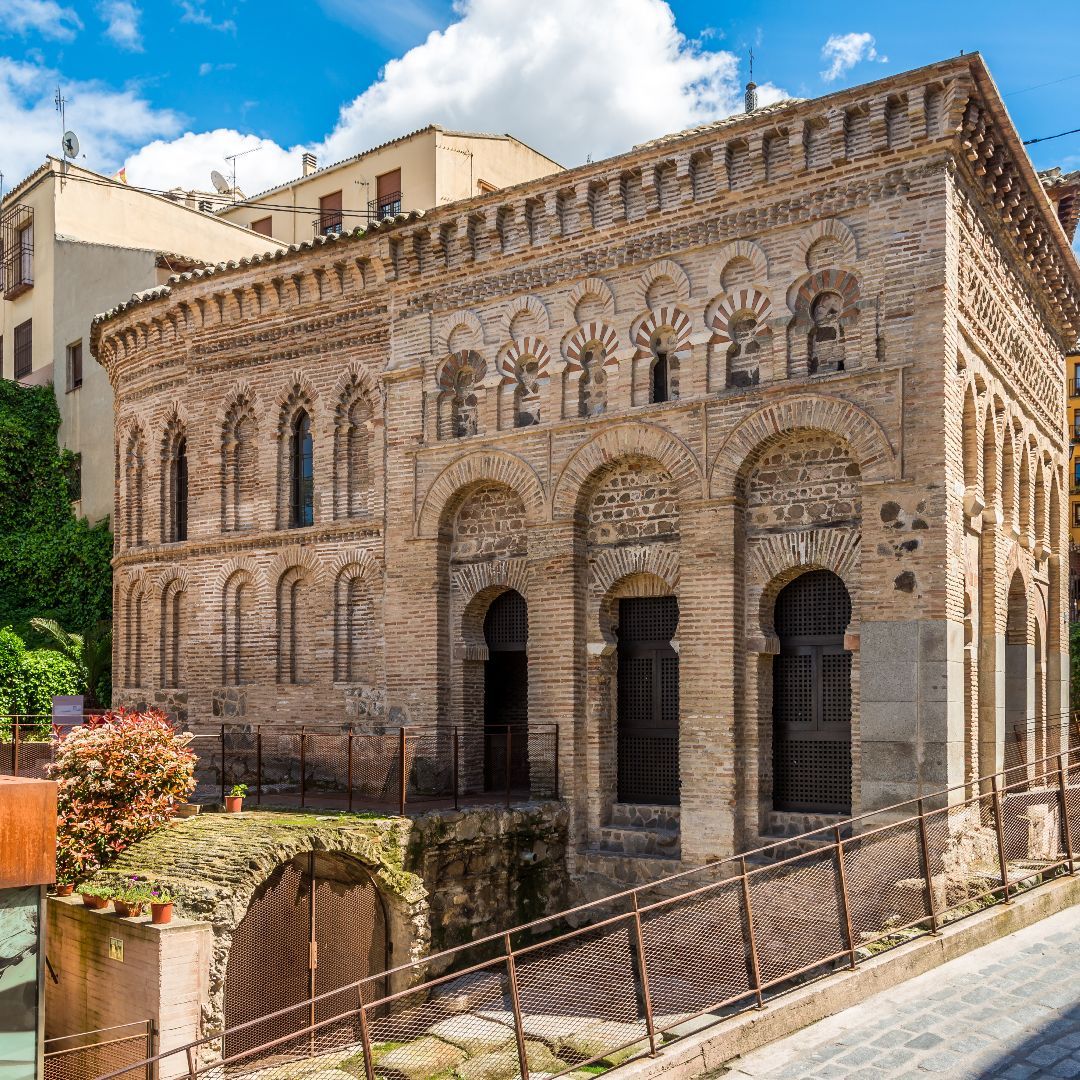
Mosque of Christ of Light, Toledo
This mosque began its construction in the year 999, at the time of caliphal splendor. Currently and has been centuries, a Catholic church, hence its name: Cristo de la Luz. Although small, its architecture and decoration are similar to the Mosque of Córdoba which, together with the reconstructions and adaptations over the years, have made this temple one of the most important monuments of Hispano-Muslim and Mudejar architecture in Spain and is considered a to be one of the jewels in Toledo.
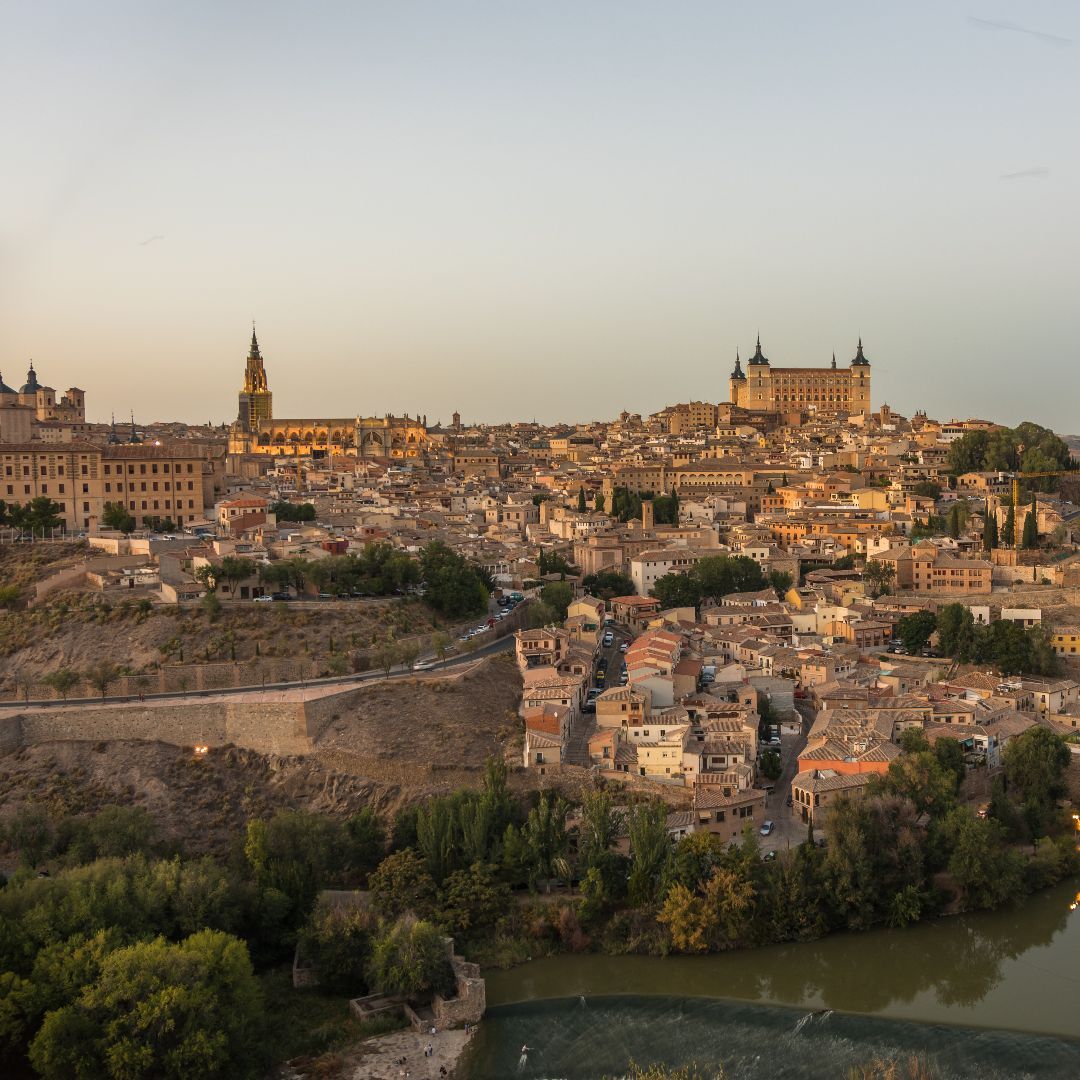
Valley viewpoint
The viewpoint of Toledo, mirador de Toledo, here you have a spectacular panoramic view of the city from the other side of the Tagus River.
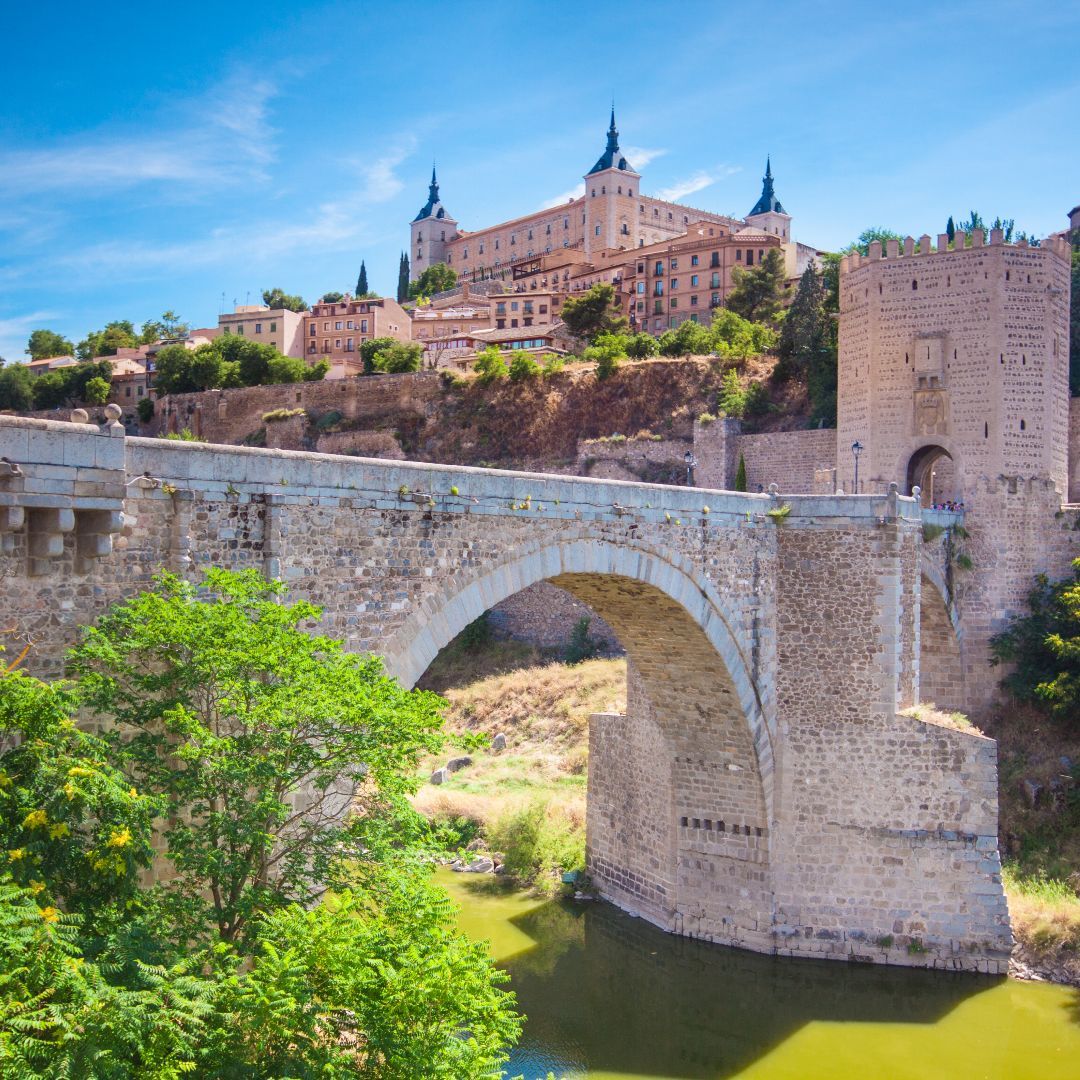
Bridge of San Martin, Toledo
The bridge of San Martin is located in the west of the historic center of Toledo. Of Gothic style, it has five arches slightly elongated in the center. The central arch stands out for being larger than the others, with more than 26 meters high over the Tajo River. At each end of the bridge are two defensive towers. Crossing the bridge of San Martin, you can enjoy beautiful views of the city with the Alcazar of Toledo in the background.
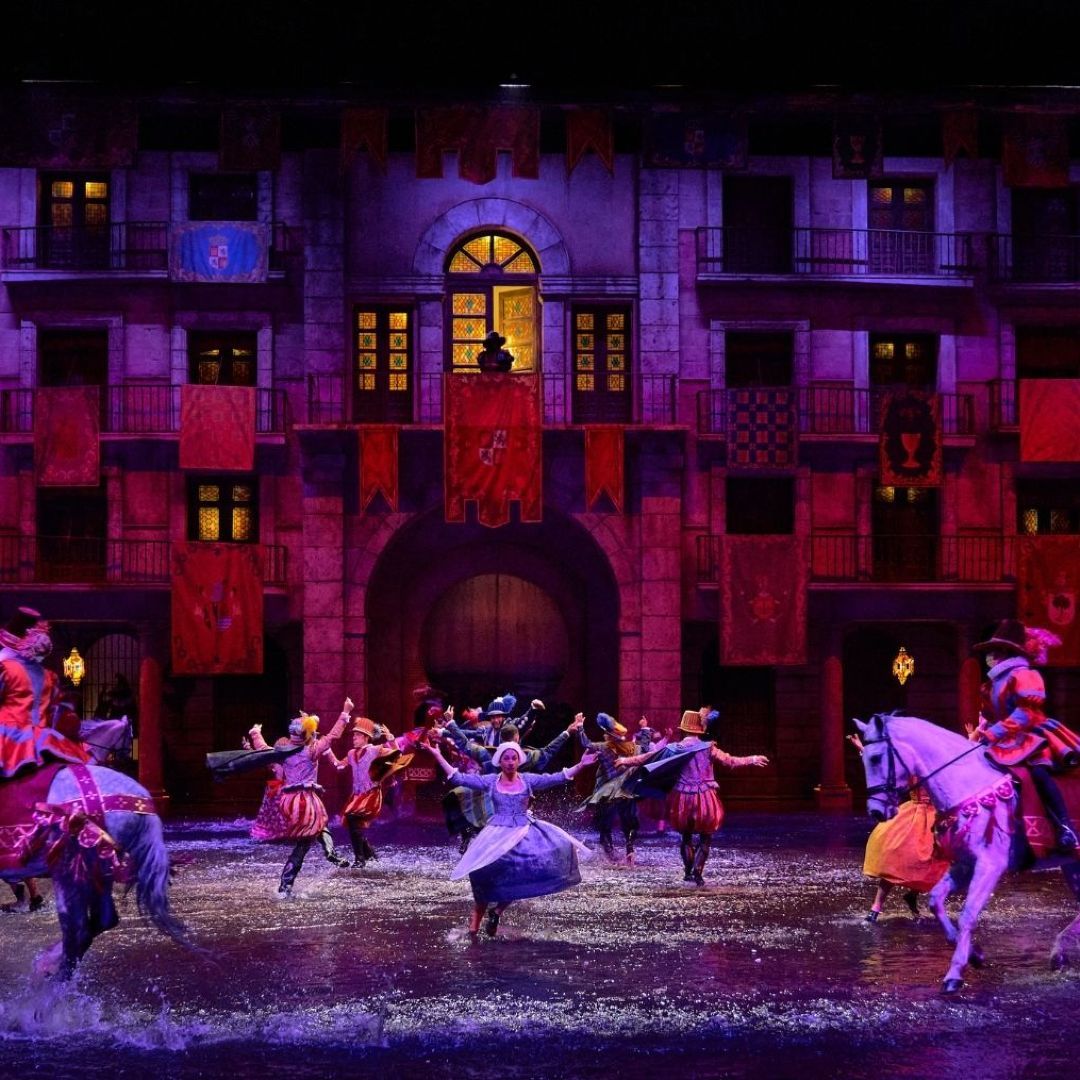
Puy du Fou Spain
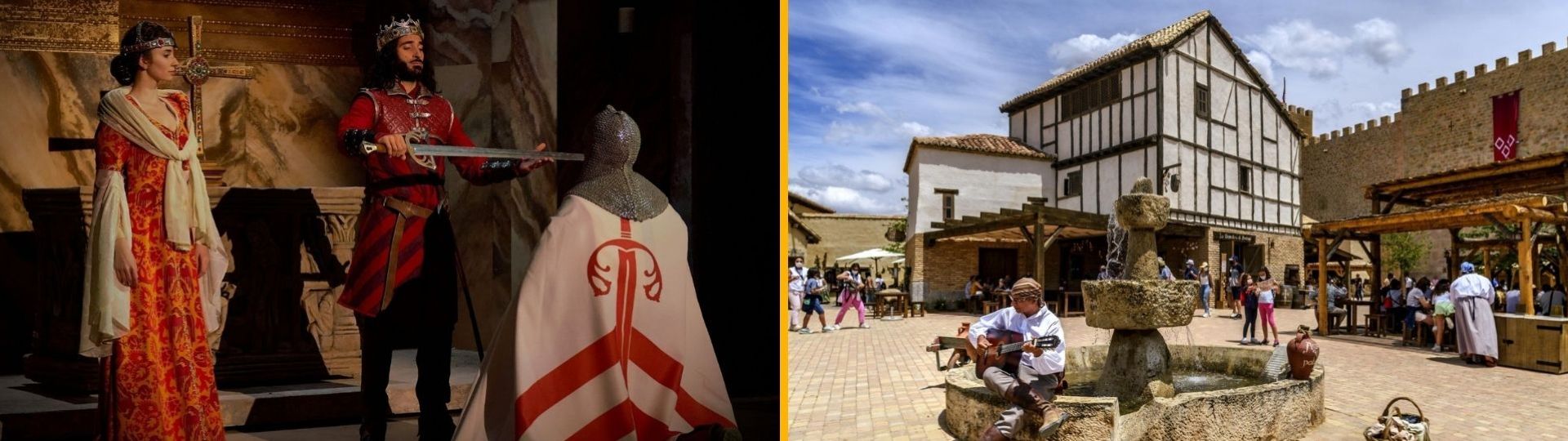
Puy du Fou is a theme park where you can travel through history represented in its grandiose shows, the recreations of the towns inside the complex, and its corners full of restaurants serving a great variety of gastronomic products from each era.Music, costumes, setting and decoration, everything is designed to make you live more than 1,500 years of Spanish history.Among its daytime shows are El Último Cantar, which tells the exploits of El Cid; A Pluma y Espada, where you can relive the adventures of the writer Lope de Vega; Cetrería de Reyes, with more than 200 birds and an aerial show of raptors; Allende la Mar Océana, a representation that will immerse you in the exciting journey that took Columbus and his crew to the Old Continent; El Vagar de Los Siglos, through which you can enjoy and learn from all the anonymous heroes of history who managed to transform the history of Spain.As a night show, El Sueño de Toledo is a grandiose and excellent scenographic representation in which you will travel through more than 1,500 years of history. Undoubtedly, the icing on the cake of this fabulous historical park is certainly not lacking in detail.
prev
next